
Polished Concrete & Microcement vs Premium Flooring Finishes
Polished Concrete & Microcement vs Premium Flooring Finishes
Polished Concrete and Hardcrete Microcement vs Other Premium Flooring Finishes: A Practical Specification Guide for Architects and Designers
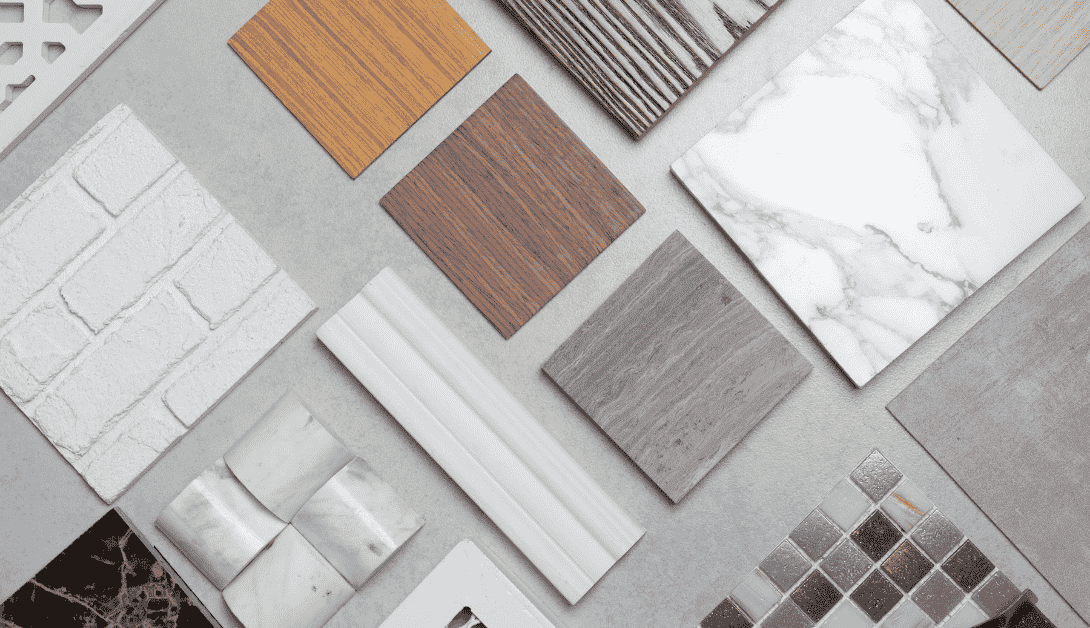
When comparing polished concrete vs other flooring finishes, architects must balance design intent, performance, programme, and long-term durability.
An architect walks into our office with samples from three different suppliers.
Large-format porcelain tiles. Engineered oak. Polished concrete.
The client wants “that clean, minimal look” but hasn’t committed to a material. The main contractor is pushing tiles because they’re familiar. The budget is tight—but the client wants the floor to last.
This scenario plays out weekly across London architectural practice.
Flooring selection is rarely just an aesthetic decision. It’s a balancing act between programme, budget, client expectations, maintenance reality, and long-term performance. One wrong call and you’re managing client disappointment or contractor friction for months.
At London Polished Concrete, we work daily with architects navigating these decisions. We install both polished concrete floors and our Hardcrete mineral microcement system—but we’re equally clear about when these materials aren’t the right choice.
This guide offers a realistic, experience-led comparison with other premium flooring finishes. Not to push cement-based systems at all costs, but to support informed specification based on how materials actually perform on live London projects.

Understanding the Two LPC Flooring Systems
Before comparing alternatives, let’s clarify exactly what we install—and how these systems differ.
Polished Concrete: Structural Integration
Polished concrete is a reinforced concrete slab (typically 100mm) that serves as the finished surface. The slab is placed, allowed to cure properly (21–28 days depending on mix design and site conditions), then mechanically ground, densified, and polished to the specified finish level—from colour-hardened surfaces to full aggregate exposure.
Best suited to:
- New builds and extensions where you’re pouring a slab anyway
- High-traffic residential, commercial, and hospitality spaces
- Projects requiring maximum durability and lifespan
- Installations with underfloor heating integration
Less suited to:
- Refurbishments where existing floor levels must be maintained
- Upper floors with structural weight restrictions
- Projects requiring rapid occupation (curing takes weeks, not days)
- Clients expecting absolute uniformity with no natural variation
Polished concrete is architecture, not a surface covering—and it needs to be specified as such.
Hardcrete Microcement: Thin-Layer Architectural Finish
Hardcrete is LPC’s mineral-based microcement system: a 2–3mm hand-applied cementitious overlay installed over existing substrates such as concrete, screed, tiles, or correctly prepared timber and board systems.
Best suited to:
- Ideal for major residential and commercial retrofits (100 sqm+) where demolition is impractical or uneconomical.
Projects with tight floor-height constraints or load-bearing limits.
- Offices, retail showrooms, and restaurant interiors requiring a durable, seamless aesthetic.
- Large-scale staircases, expansive feature walls, and commercial vertical surfaces.
-
Engineered for efficiency, with a typical major installation completed in 5-6 days to keep site timelines on track.
Less suited to:
- Heavy industrial or vehicle traffic areas
- Unstable or moving substrates
- Situations where no ongoing care is expected
- Rock-bottom budgets once proper preparation and sealing are accounted for
Hardcrete delivers seamless architectural surfaces where polished concrete simply isn’t feasible.
Now let’s examine how these systems compare to other premium finishes in real architectural contexts.
Read our other posts!
Polished Concrete vs Other Flooring Finishes: Natural Stone
The Specification Dilemma
Your client loves the idea of limestone or marble—the prestige, the natural variation, the material gravitas. But they also want underfloor heating, minimal maintenance, and a floor that won’t stain when wine gets spilled at dinner parties. In practice, decisions around polished concrete vs other flooring finishes are rarely about aesthetics alone.
Where Stone Performs Well
- Material symbolism matters. In heritage properties, luxury residential projects, or contexts where traditional craftsmanship is valued, natural stone carries cultural weight that concrete simply doesn’t. A Georgian townhouse in Belgravia feels right with limestone or marble. It doesn’t feel right with polished concrete.
- Visual depth and variation. Stone offers geological beauty—veining, fossil inclusions, colour shifts—that cement-based systems can’t replicate. If your design concept celebrates natural materiality and organic pattern, stone might be your answer.
- Client perception in high-end residential. Some clients simply want stone. They associate it with luxury, permanence, and quality. No amount of technical argument will change that emotional response—and that’s fine.
Where Stone Underperforms
- Grout lines fragment the space. Even large-format stone creates joints that interrupt visual flow—particularly problematic in open-plan layouts where seamless continuity matters.
- Staining and etching are inevitable. Limestone and marble react with acidic substances (wine, citrus, cleaning products). Sealing helps, but it’s not a permanent solution. In busy family kitchens or commercial hospitality spaces, stone shows wear quickly and demands constant vigilance.
- Maintenance is ongoing and expensive. Professional sealing every 1–2 years, specialist cleaning products, immediate attention to spills—stone demands care that polished concrete doesn’t. This matters when you’re specifying for commercial clients with operational budgets or residential clients who won’t actually maintain things properly.
- Thermal performance is inferior. Stone heats slowly and unevenly with underfloor heating. Concrete’s thermal mass and conductivity are objectively superior.
The Honest Recommendation
Specify stone where tradition, heritage, or client expectation demands it—and where the client genuinely understands the maintenance implications.
Specify polished concrete where seamless aesthetics, durability, underfloor heating performance, and low lifecycle maintenance are priorities.
Real approach on live projects: Stone in formal or heritage zones where it’s contextually appropriate; polished concrete in contemporary extensions and high-use areas where performance matters most.
Case example: We worked with an architect on a Kensington townhouse where they specified limestone for the formal entrance hall (client expectation, appropriate historical context) and polished concrete for the entire ground floor extension (kitchen, dining, living). Each material in its right place. The client got the prestige they wanted in the entrance, and the performance they needed everywhere else.
Hardcrete Microcement vs Large-Format Porcelain Tiles
The Specification Dilemma
Your client wants “that seamless concrete look” but the main contractor is pushing 1200×600mm porcelain tiles because they’re familiar, widely available, and competitively priced. The tile manufacturer shows you samples that “look just like concrete.”
Where Tiles Make Sense
- Supply-chain familiarity. Tilers are everywhere. Materials are readily available. Contractors know the installation process inside out. If programme certainty and risk minimisation are paramount, tiles offer predictability.
- Modularity and replacement flexibility. If a tile cracks or gets damaged, you can (in theory) replace individual units without redoing the entire floor. With microcement, repairs require blending and re-sealing.
- Fast access. Tiles are ready for use as soon as the grout cures—typically 24–48 hours. Hardcrete microcement needs 72 hours before light traffic, 28 days for full cure.
Where Tiles Fall Short
- They’re not seamless. They never will be. No matter how large the format, grout lines exist. In bathrooms and wet areas, those grout lines become hygiene problems—harbouring bacteria, showing staining, requiring constant cleaning. The “concrete-look” tile that’s supposed to replicate microcement draws attention to its own artifice through those visible joints.
- Lippage is common with large formats. Getting 1200mm tiles perfectly level requires exceptional skill and perfect substrate preparation. Lippage (where one tile sits higher than adjacent tiles) creates trip hazards and visual inconsistency. We’ve inspected numerous “high-end” tile installations where lippage issues compromise the entire finish.
- They crack over moving substrates. Timber floors, screeds with residual moisture, any substrate with movement—tiles crack. It’s not a quality issue, it’s physics. We’ve seen entire bathroom floors where 30–40% of tiles have hairline cracks within two years of installation.
- Grout maintenance is constant and inevitable. Even epoxy grouts stain, discolour, and require attention. In white or light-coloured schemes, grout lines darken and detract from the clean aesthetic clients expect. In wet areas, they become mould traps.
The Honest Recommendation
Tiles remain practical in cost-sensitive or modular environments where budgets are genuinely tight and clients understand the visual compromise.
Where architects want true continuity, minimal visual noise, refined detailing, and genuine hygiene performance—Hardcrete microcement delivers what tiles promise but cannot achieve.
Case example: We completed a Chelsea townhouse refurbishment where the architect initially specified large-format “concrete-effect” tiles for three bathrooms. After seeing our Hardcrete samples and understanding the seamless reality versus tiled simulation, they switched specification. The client was delighted with the result—no grout, no maintenance anxiety, authentic material character. The price difference was £25 per m², but the performance difference was transformative.
Polished Concrete vs Engineered Timber
The Specification Dilemma
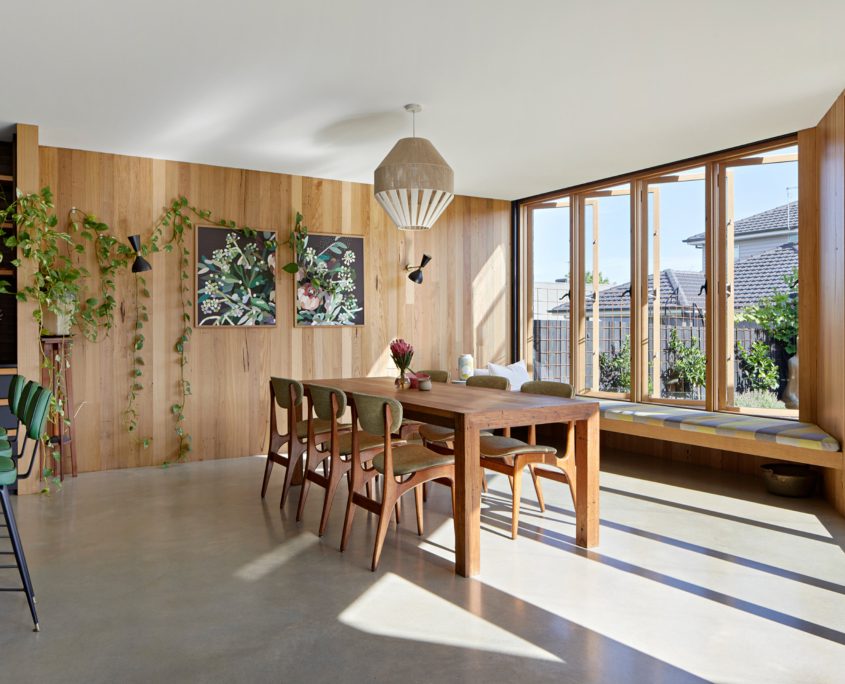
Timber brings warmth, tactility, and domestic familiarity. Concrete is “cold” and “hard.” Your client loves the polished concrete aesthetic but worries their home will feel unwelcoming.
Where Timber Excels
- Psychological warmth and domestic comfort. Timber feels residential. It feels human-scaled and inviting. In bedrooms, studies, or spaces designed for comfort and retreat, timber creates the right emotional atmosphere.
- Acoustic absorption. Timber absorbs sound better than hard concrete surfaces—valuable in residential settings where acoustic comfort matters and reverberation needs managing.
- Tactile experience. Walking barefoot on timber feels pleasant in ways concrete doesn’t. If your design emphasises sensory experience and domestic comfort, timber has legitimate advantages that matter.
Where Timber Struggles
- It wears, scratches, and dents. Furniture movement, dropped objects, pet claws, chair legs—timber shows damage. Polished concrete doesn’t. This isn’t theoretical; it’s visible wear that clients notice and complain about.
- Moisture sensitivity is limiting. Bathrooms, wet rooms, kitchens with potential spills—timber struggles in environments where concrete thrives. Even engineered timber with proper finishes requires careful maintenance around water.
- Maintenance is ongoing. Sanding and re-oiling every 5–10 years. Immediate attention to water spills. Specialist cleaning products. Seasonal humidity management. Timber demands care and attention that polished concrete doesn’t.
- Thermal performance with underfloor heating is problematic. Timber’s insulating properties reduce heating efficiency. It also expands and contracts with temperature changes, creating gaps and movement issues. Concrete’s thermal mass makes it genuinely ideal for UFH—not just compatible, but optimal.
- Shorter lifespan in high-traffic areas. A polished concrete floor improves with age, developing subtle patina. A timber floor in a busy kitchen shows visible wear within 5–10 years and needs refinishing or replacement.
The Honest Recommendation
Timber and polished concrete aren’t competing for the same spaces. They’re complementary materials serving different functions.
Specify timber in bedrooms, home offices, or low-traffic residential areas where warmth and comfort take priority. Specify polished concrete for ground floors, kitchens, circulation areas, commercial spaces—anywhere durability, underfloor heating, and longevity matter more than tactile softness.
Better yet: use both. Polished concrete on the ground floor, timber upstairs. Each material in its appropriate context, creating spatial hierarchy and character through material contrast.
Case example: An architect specified polished concrete throughout the ground floor extension of a Victorian terrace in Wandsworth (kitchen, dining, living with UFH)—then continued engineered oak from the original house into the first-floor bedrooms. The material change reinforced the transition between public and private zones. Clients loved the clarity and logic of the approach.
Hardcrete Microcement vs Resin Flooring
The Specification Dilemma
Both materials offer seamless finishes. Both can be applied over existing substrates. Both claim durability. So why pay more for microcement when resin is cheaper and faster?
Where Resin Is Appropriate
- Installation speed. Resin floors can be installed and ready for use within 48–72 hours—genuinely fast-track when programme pressure is extreme.
- Chemical resistance in specific environments. Industrial kitchens, laboratories, manufacturing facilities—resin offers superior resistance to specific chemicals and acids where those performance criteria actually matter.
- Predictable uniformity. Resin creates perfectly uniform colour and finish with minimal variation—which some clients prefer in utilitarian contexts.
Where Resin Falls Short
- It looks and feels synthetic. Resin has an unmistakable plastic quality—glossy, perfect, artificial. In high-end residential or design-led commercial spaces, it cheapens the aesthetic. Hardcrete microcement has authentic material character that reads as architecture, not coating.
- UV yellowing is inevitable with epoxy systems. White or light-coloured epoxy floors develop amber or yellow tints when exposed to natural sunlight. This is not a quality issue—it’s inherent to epoxy chemistry. Once yellowing occurs, it’s irreversible. You can’t fix it, you can only replace it. Hardcrete uses UV-stable, non-yellowing resins that maintain colour indefinitely.
- Resin traps moisture beneath the surface. Epoxy and polyurethane systems are completely impermeable. In properties with any ground moisture or damp issues—common in London’s older building stock—this creates problems: bubbling, blistering, delamination. Hardcrete microcement, properly sealed with water-based polyurethane, is waterproof on top but breathable beneath, allowing moisture vapour transmission without compromising surface performance.
- It scratches and shows wear patterns. The plastic surface marks easily. In residential settings with furniture movement or pet traffic, resin shows scuffing and wear. Hardcrete’s mineral composition is harder and more abrasion-resistant.
- Ageing is ungraceful. Resin floors look dated quickly—the glossy plastic aesthetic that seemed contemporary at installation feels cheap within 5–7 years. Hardcrete develops a subtle patina that adds character and depth.
The Honest Recommendation
Specify resin where you’re designing an industrial facility, technical environment, or space requiring genuine chemical resistance and speed of installation is critical.
Specify LPC Hardcrete microcement for residential, hospitality, retail, or any design-conscious project where material authenticity and long-term aesthetics matter. The premium is modest (£120–£180 per m² for Hardcrete vs £90–£160 per m² for resin) and justified by performance, appearance, and client satisfaction over time.
Case example: A Shoreditch restaurant client initially considered epoxy resin for their dining area (lower cost, fast installation timeline). After seeing our LPC Hardcrete samples and understanding the yellowing risk in their south-facing space with full-height glazing, they chose mineral microcement. Three years later, the floor still looks excellent and photographs beautifully. The epoxy alternative would have yellowed noticeably and required replacement.
Polished Concrete vs Cast-In-Situ Terrazzo
The Specification Dilemma
Terrazzo offers incredible visual richness, historical pedigree, and bespoke customisation. But it’s expensive, programme-intensive, and visually dominant. Is polished concrete just “cheap terrazzo”?
Where Terrazzo Excels
- Visual drama and bespoke customisation. Terrazzo is a statement material. You can specify aggregate types, sizes, colours, divider strip patterns, and create genuinely bespoke floors. If your design concept requires visual intensity and decorative expression, terrazzo delivers impact that polished concrete doesn’t.
- Historical authenticity in period contexts. In buildings with existing terrazzo or architectural contexts where historical continuity matters, new terrazzo might be contextually appropriate and respectful.
- Prestige and craft associations. Terrazzo carries connotations of craftsmanship, luxury, and architectural tradition. For high-end retail, hotel lobbies, cultural buildings, or prestige residential—those associations can be commercially valuable.
Where Terrazzo Challenges
- Cost is significantly higher. Cast-in-situ terrazzo typically costs £250–£400+ per m². Polished concrete with exposed aggregate (which creates a terrazzo-like aesthetic) costs £200–£280 per m². The visual difference is subtle; the cost difference isn’t.
- Programme is longer and more complex. Terrazzo requires specialist contractors, longer curing times, and more complex installation sequences. Polished concrete is faster and simpler—which matters when programme pressure is real.
- Visual dominance can overwhelm the architecture. Terrazzo demands attention. In minimalist or restrained interiors, it can fight with the architectural concept rather than supporting it. It needs to be the hero—or it creates discord.
The Honest Recommendation
If your project has the budget, programme, and design intent for terrazzo as a feature material—specify it confidently. It’s beautiful, durable, and appropriate in the right context.
If you want the longevity and performance of a ground-and-polished cementitious floor with subtle aggregate exposure, but terrazzo’s cost and visual intensity don’t fit your project—polished concrete with exposed aggregate delivers 80% of the aesthetic at 60% of the cost.
They’re related materials serving different purposes. Terrazzo is decoration. Polished concrete is architecture.
Case example: We worked on a boutique hotel in Shoreditch where the architect specified terrazzo for the entrance lobby (statement moment, first impression, client experience) and polished concrete with exposed aggregate throughout the restaurant and bar areas (durability, subtlety, budget management). Both materials in their right place. The terrazzo created impact where it mattered; the polished concrete delivered performance everywhere else.
The Material Selection Framework: Four Questions That Matter
When architects ask us “Should I specify polished concrete, LPC Hardcrete microcement, or something else?”, we guide them through four critical questions:
-
What’s the Substrate and Programme Reality?
- New build or extension with fresh slab being poured? → Polished concrete makes complete sense. You’re pouring concrete anyway—finish it properly and eliminate the need for separate flooring.
- Refurbishment over existing tiles, screed, or concrete? → LPC Hardcrete microcement avoids demolition, maintains floor levels, and delivers seamless finish without structural intervention.
- Timber subfloor or upper-level application with weight restrictions? → LPC Hardcrete microcement (if substrate is stable) or consider lightweight alternatives. Structural polished concrete isn’t viable here.
- Tight programme with rapid occupation required? → LPC Hardcrete microcement (5-6 days installation) or tiles if budget is constrained. Polished concrete needs 3–4 weeks minimum curing time.
-
What Performance Requirements Actually Exist?
- Heavy traffic, commercial use, maximum durability expected? → Polished concrete outperforms virtually all alternatives. It’s engineered for punishment.
- Bathrooms, wet areas, waterproofing critical? → Properly sealed LPC Hardcrete microcement or tiles with comprehensive waterproofing. Both can work; microcement offers seamless hygiene advantages.
- Minimal maintenance, long lifespan, aggressive daily use? → Polished concrete or Hardcrete microcement over resin, timber, or tiles. Cement-based systems age gracefully; alternatives deteriorate visibly.
- Underfloor heating integration essential? → Polished concrete is optimal (thermal mass + conductivity). Hardcrete works excellently. Timber is problematic. Stone is acceptable but inferior.
-
What’s the Aesthetic Intent?
- Seamless, minimal, architectural clarity and visual calm? → Polished concrete or Hardcrete microcement. Nothing else delivers true seamlessness.
- Warmth, domesticity, tactile comfort in residential spaces? → Consider timber in appropriate zones (bedrooms, private areas). Use cement-based systems for public/high-use spaces.
- Visual drama, decorative expression, statement moments? → Terrazzo or patterned natural stone. These are feature materials designed to command attention.
- Traditional context, heritage property, conservation considerations? → Natural stone might be contextually appropriate and planning-compliant. Polished concrete works in contemporary interventions.
-
What’s the Client’s Reality?
- Client understands material character and accepts natural variation? → Any material can work. Specification becomes about performance and context, not managing unrealistic expectations.
- Client expects perfection and zero maintenance? → Polished concrete or Hardcrete microcement (with realistic expectation-setting about natural variation). These are the lowest-maintenance options available.
- Client has strong emotional attachment to specific materials? → Respect that and work with it, even if technically inferior. A client who loves timber will never be satisfied with concrete, regardless of performance advantages.
- Client is price-sensitive and looking for budget solutions? → Be honest about what quality costs. Cheap microcement or cut-price polished concrete will disappoint. If budget genuinely doesn’t support cement-based systems properly installed, tiles might be more pragmatic.
This framework removes guesswork and creates defensible specification decisions based on project reality rather than material preference.
Why Architects Continue Specifying London Polished Concrete
We’re specified repeatedly across London’s architectural community—not because we claim our materials are perfect for every situation, but because we operate as technical partners who deliver consistent results.
- Early-Stage Specification Support
- We engage during design development, not just at tender stage. Build-up coordination, movement joint planning, underfloor heating integration, realistic programme input—we help architects avoid problems before they occur.
- Material Honesty
- We use genuine mineral-based Hardcrete microcement systems—not cheaper resin alternatives marketed as “microcement.” We specify appropriate concrete mixes, professional-grade densifiers, and water-based polyurethane sealers. Quality materials installed properly, not shortcuts.
- Realistic Expectation Management
- We tell clients what to expect—including natural variation, curing requirements, and maintenance reality. This prevents disappointment and protects the architect’s relationship with their client.
- Consistent Execution Across Sectors
- We’ve worked across residential, commercial, hospitality, and retail projects. We understand the different requirements, client expectations, and performance criteria in each sector. An architect’s reputation depends on built quality—we protect that.
The Bottom Line: Choosing the Right Material for the Right Reason
Polished concrete and LPC Hardcrete microcement aren’t trend finishes chasing fashion. They’re architectural tools that solve specific problems exceptionally well.
Choose polished concrete when:
- You’re pouring a new slab anyway (new build, extension)
- Durability and longevity are paramount
- Underfloor heating integration is required
- You want seamless, minimal aesthetics at architectural scale
- Budget supports quality installation and client understands curing timescales
Choose LPC Hardcrete microcement when:
- Refurbishment requires working over existing substrates
- Floor height is limited by existing conditions
- Offices, retail showrooms, and restaurant interiors requiring a durable, seamless aesthetic.
- Programme is tight (5-6 day installation window)
- Client wants contemporary aesthetic without demolition disruption
Choose other materials when:
- Heritage context genuinely demands traditional finishes (stone, terrazzo)
- Warmth and domesticity matter more than performance (timber in bedrooms)
- Client has specific emotional attachment to alternative materials
- Technical requirements genuinely favour alternatives (chemical resistance = resin in industrial contexts)
Good specification isn’t about forcing one solution. It’s about understanding trade-offs, respecting context, and making informed decisions based on real-world performance rather than marketing claims or contractor convenience.
The best projects use the right material for the right reason—and execute it properly.
Specification Support for London Projects
If you’re comparing flooring systems for a residential, commercial, or hospitality project, we’re here to support your decision-making process with:
- Technical advice during design development – Build-ups, coordination, movement joints, realistic programme input
- Material samples and finish guidance – Physical samples, project references, finish-level clarity
- Honest suitability assessment – Clear advice on where our systems fit (and where they don’t)
- Programme and budget input – Realistic costs, installation timelines, coordination requirements
We’re not trying to sell you materials. We’re trying to help you choose the right material for the right reason—then execute it to the standard your project demands.
Contact London Polished Concrete
Call: 020 7100 3887
WhatsApp: 07417 513779
Email:[email protected]
Contact us:www.londonpolishedconcrete.com
London Polished Concrete Ltd.
Navigator House,
60 High Street,
Hampton Wick,
KT1 4DB
tel: 020 7100 3887
WhatsApp: 07417 513779
© 2026 London Polished Concrete | Privacy Policy

Ready to Transform Your Space?
Get in touch for a free consultation on polished concrete and microcement flooring.
Request a Quote