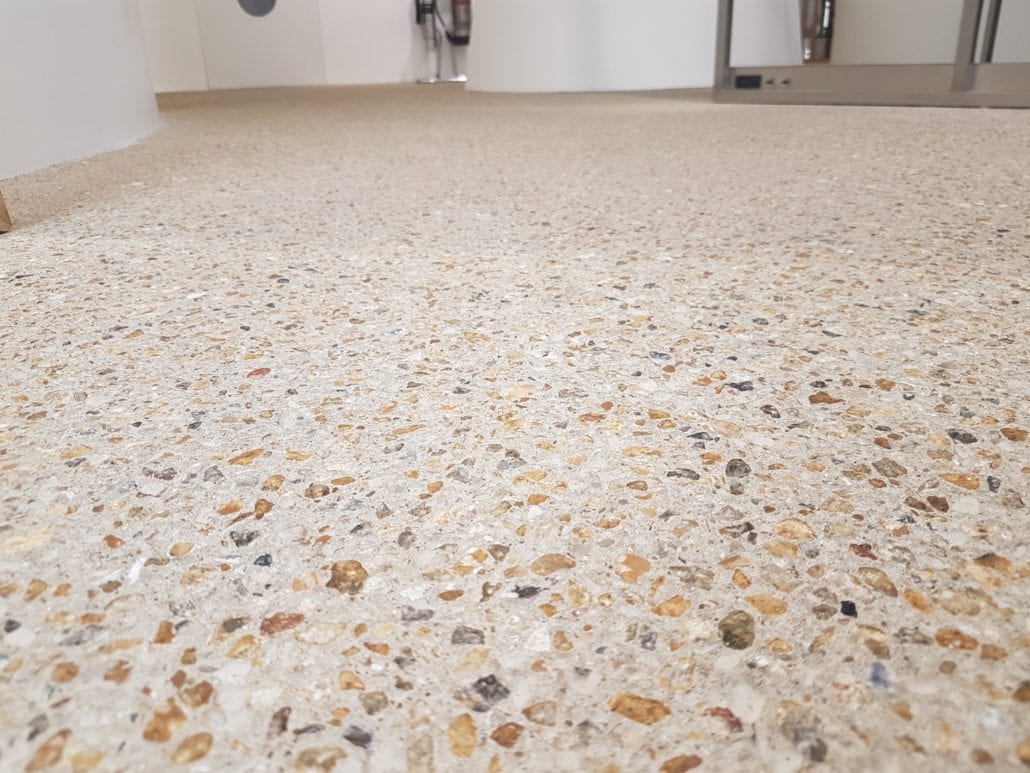
Concrete Grinding & Polishing
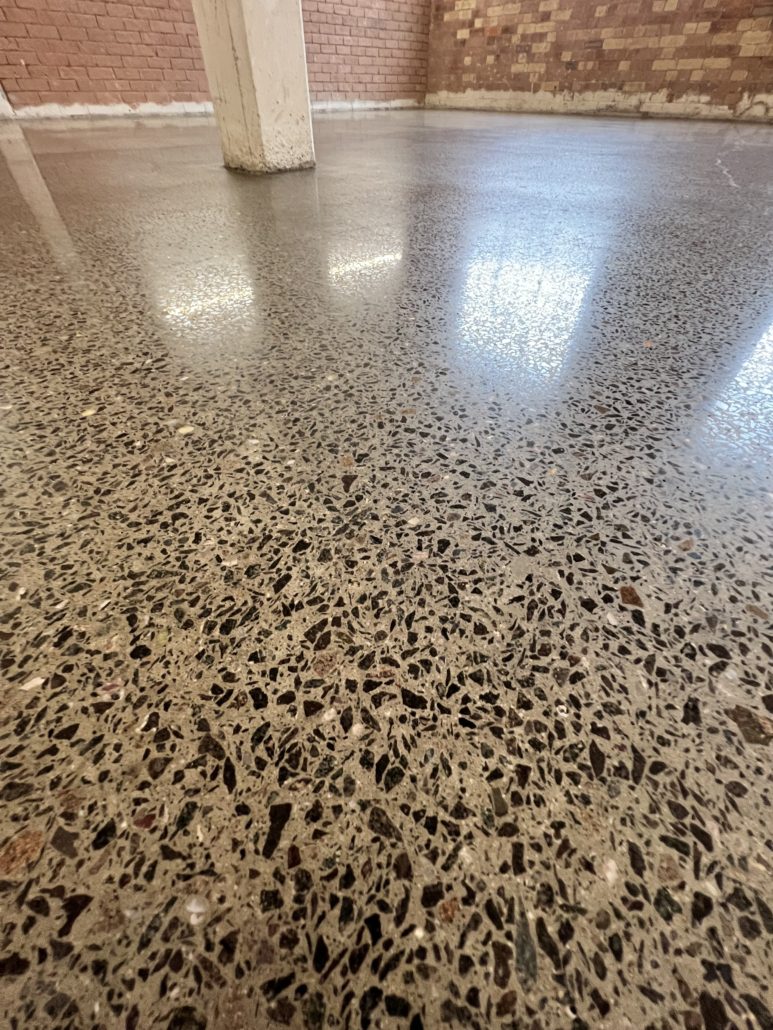
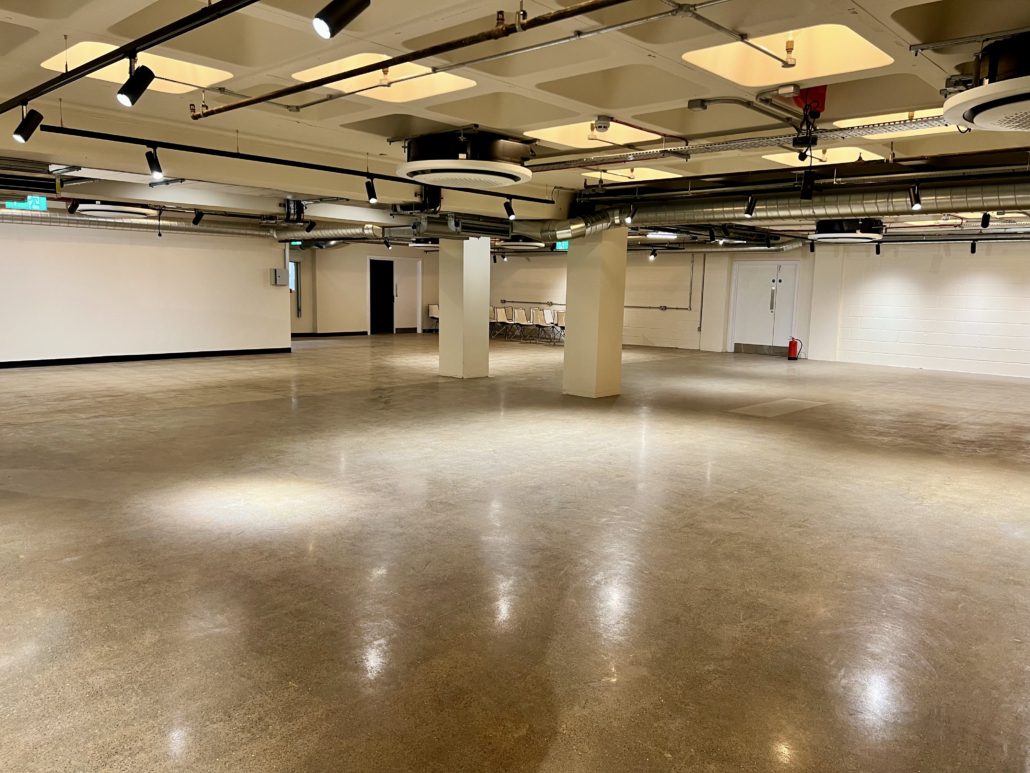
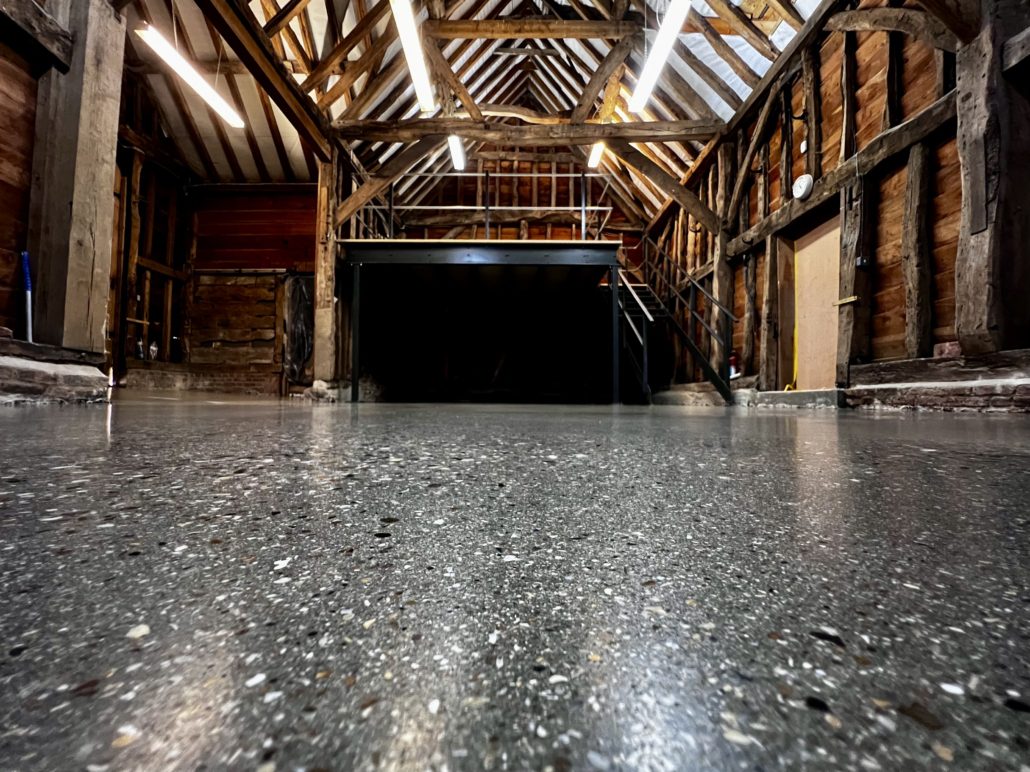
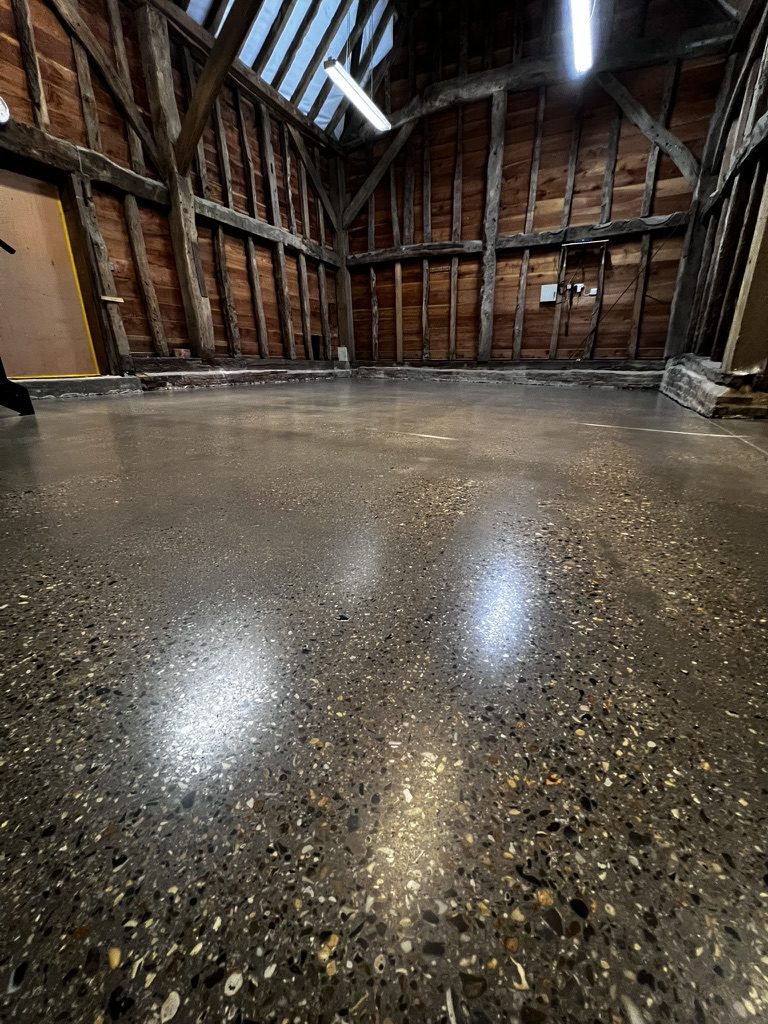
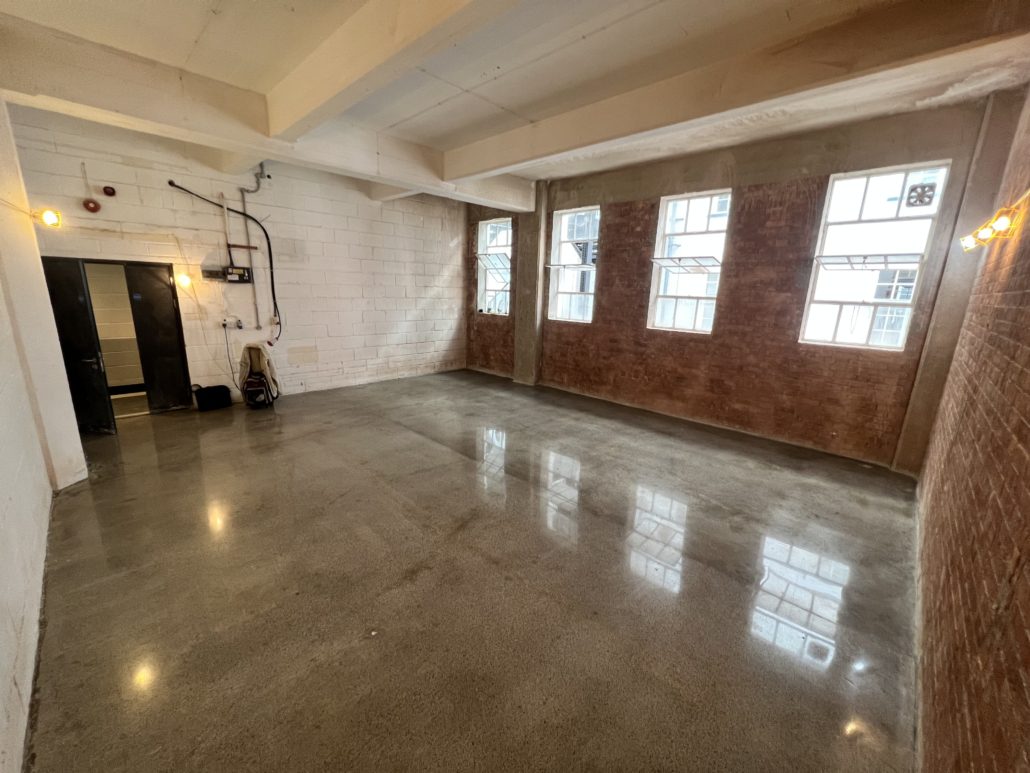
Our mechanical concrete grinding and polishing process transforms raw concrete into a smooth, hard-wearing and visually striking surface — perfect for homes, retail, commercial and industrial spaces.
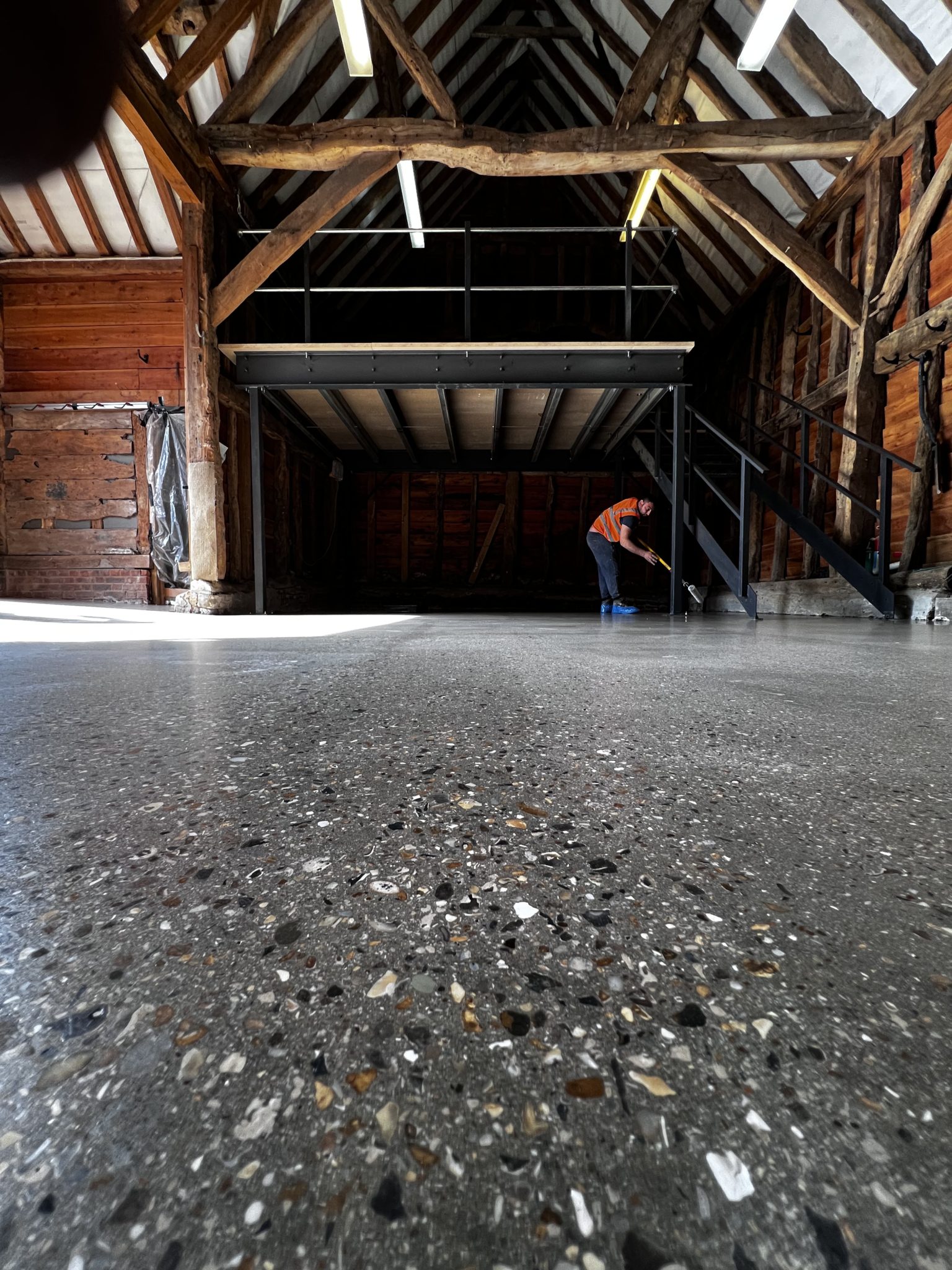
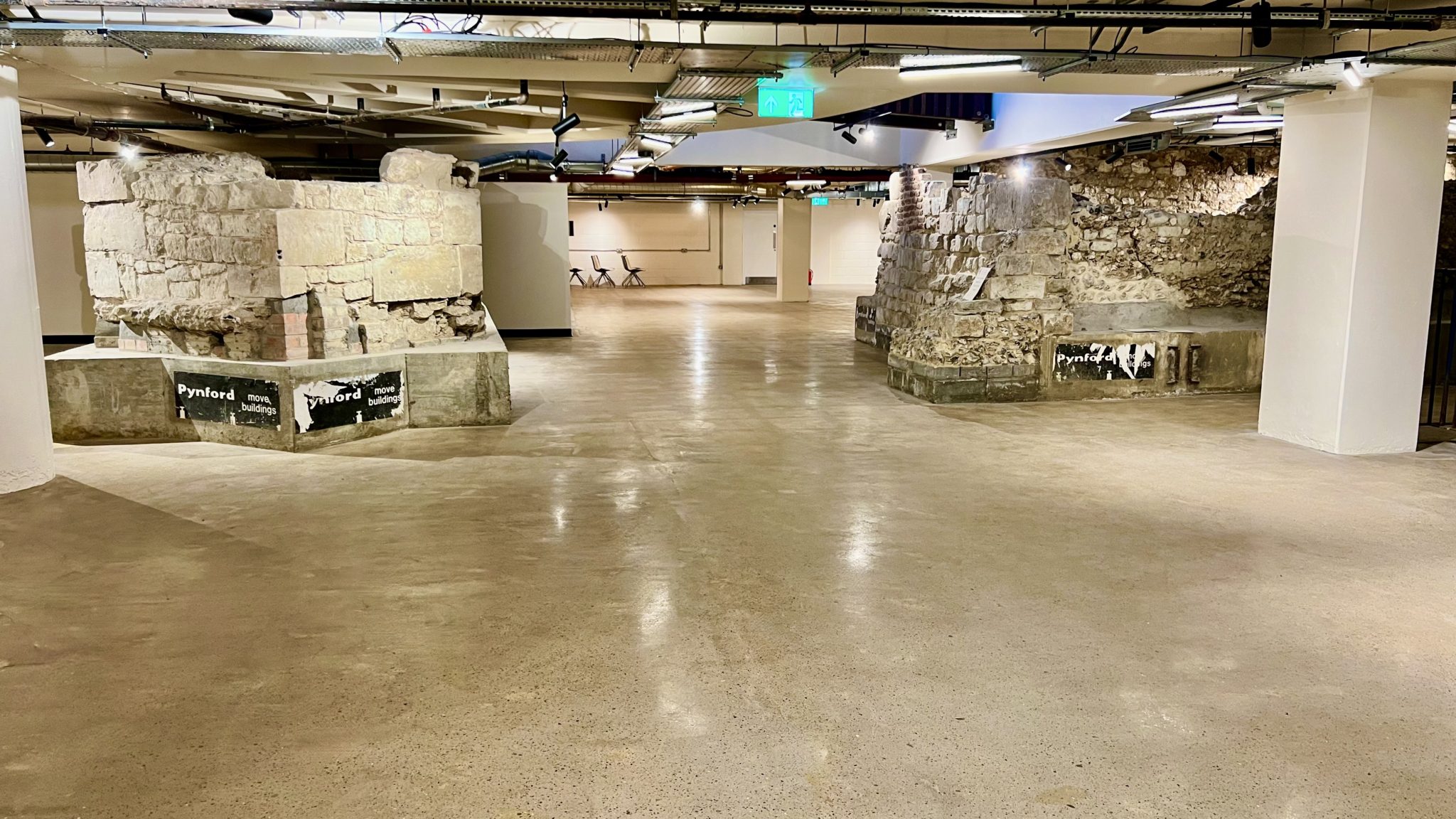
Our mechanical concrete grinding and polishing process transforms raw concrete into a smooth, hard-wearing and visually striking surface — perfect for homes, retail, commercial and industrial spaces.
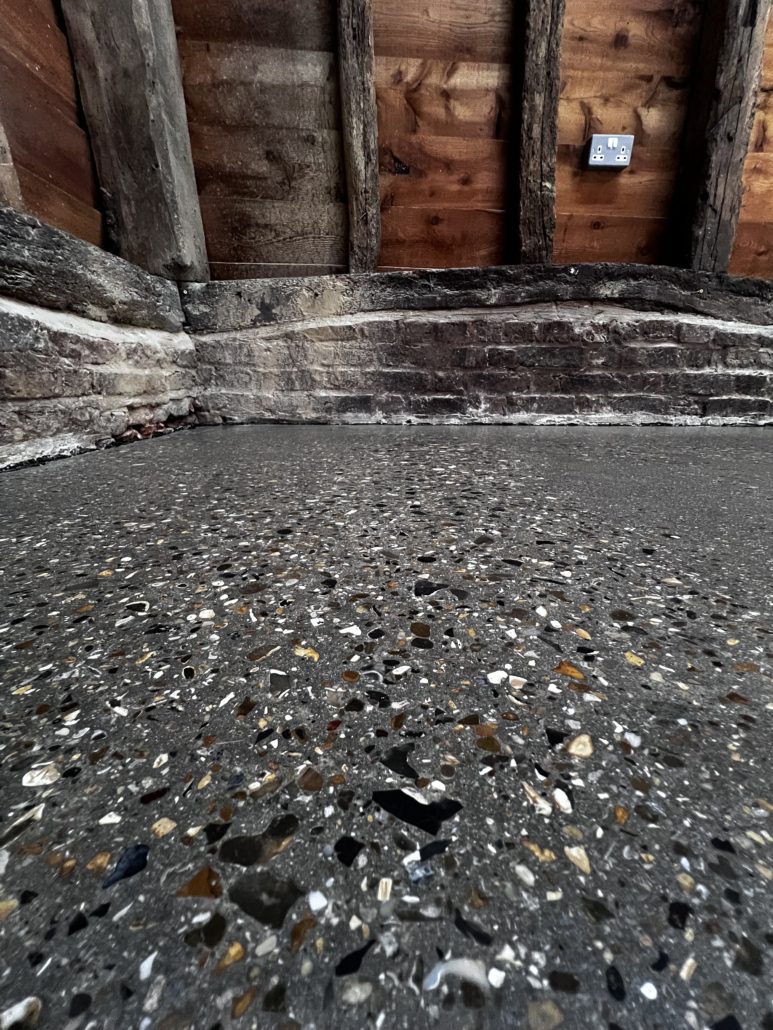
Removes surface defects, uneven patches, and exposes the natural beauty of the concrete beneath.
Perfect for high-traffic areas. Resists wear, scratches, and impact over time.
No coatings or wax. Just a dense, stain-resistant surface that stays cleaner for longer.
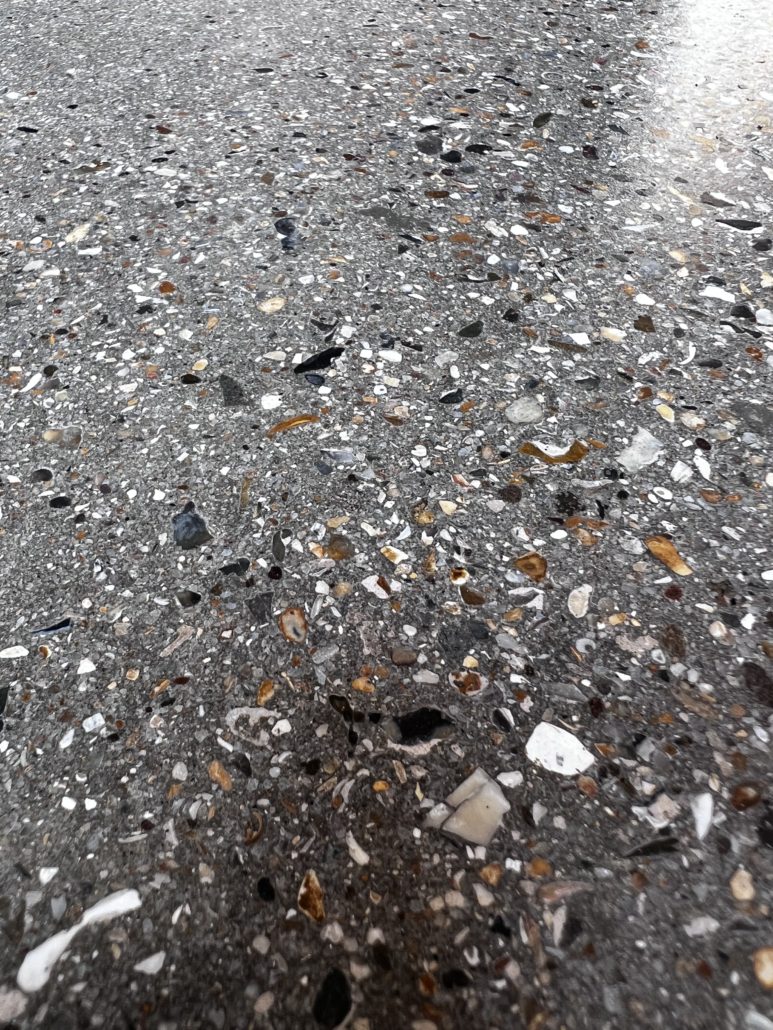
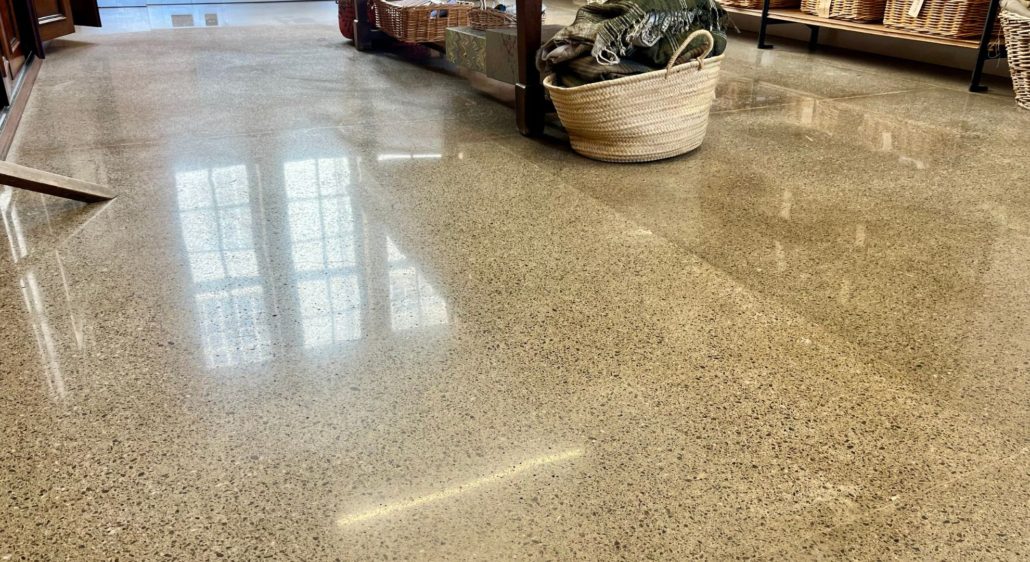
We offer different levels of aggregate exposure and sheen — from matte to full gloss.
We use industrial diamond grinders to remove surface imperfections, level the slab, and expose aggregates where specified. Once the surface is refined, we densify it chemically and polish through a series of grits to achieve the desired finish — from natural matte to mirror gloss.
The result: a long-lasting, low-maintenance floor that improves with time.
✓ Suitable for existing or new concrete slabs
✓ Aggregate exposure: none, salt & pepper, full
✓ Finishing grit: 400 / 800 / 1500 / 3000
✓ Lithium densifier used for surface hardening
✓ Commercial stain guard and burnishing included
✓ Residential kitchens, hallways, and ground floor spaces
✓ Offices, studios, and co-working spaces
✓ Retail shops, showrooms, and galleries
✓ Restaurants, cafes, and hospitality venues
✓ Warehouses and light industrial units
Whether you’re improving an existing slab or specifying a finish for a new space — we can help you get the polished concrete look, professionally delivered.
Our signature trowel-applied concrete system, built for depth, texture, and architectural character.
Industrial-grade strength with a high-spec architectural polish, ideal for residential and commercial floors.
High-performance subfloor screeds and levelling layers, ready for surface application or final finish.
Navigator House,
60 High Street,
Hampton Wick,
KT1 4DB
© 2026 London Polished Concrete | Privacy Policy
Below are some of the most common questions we receive about concrete grinding and polishing. Whether you are planning a residential renovation or a commercial fit-out, these answers should help clarify what to expect. If you need technical advice for a specific project, speak to our team.
Concrete grinding and polishing is the mechanical process of refining an existing or newly poured concrete slab using progressively finer diamond tooling. The process removes surface imperfections and produces a smooth, dense finish — ranging from a matte hone to a high-gloss mirror shine — without coatings or overlays.
Grinding and polishing is the process itself — the mechanical refinement of a concrete surface using diamond tooling. Polished concrete refers to the finished product. At LPC, we use the same precision equipment and techniques whether we are transforming an existing slab or finishing a new pour.
We offer a full range of finishes from a matte or satin hone through to a high-gloss mirror polish. The final sheen is determined by the grit level of the last diamond pass. We will help you choose the right level based on the look you want and the practical demands of the space.
Honed concrete is ground to a smooth, flat finish but without the reflective sheen of a full polish. It typically stops at a lower grit level and produces a matte or satin appearance. Polished concrete continues through finer grits to achieve a glossy, light-reflecting surface.
Extremely durable. Mechanically polished concrete is one of the hardest-wearing flooring options available. During the process, a lithium densifier is applied to harden the surface, making it resistant to abrasion, impact, and daily wear. It is widely used in high-traffic commercial environments as well as residential settings.
No. Despite its smooth appearance, polished concrete provides good slip resistance under normal conditions. It meets the requirements for commercial and residential use. In wet areas such as entrance lobbies or kitchens, we can advise on additional treatments if needed.
No. The grinding process removes only the surface layer — typically 1 to 3mm — and does not compromise the structural performance of the slab. A full site assessment is carried out before work begins to confirm the concrete is suitable.
Polished concrete has a very low porosity, which makes it naturally resistant to staining. A commercial stain guard is applied during the finishing process for additional protection. Routine spills can be wiped clean with minimal effort.
A typical residential floor of 30 to 60 square metres takes 3 to 5 working days. Larger commercial projects may require 1 to 2 weeks depending on area, condition of the slab, and the specified finish level. We provide a detailed programme before starting any work.
The concrete slab must be structurally sound and at least 28 days old. Any existing coatings, adhesives, or surface treatments need to be removed before grinding begins. We carry out a full assessment and handle all necessary preparation as part of the project.
Grinding does generate noise and fine dust, but we use industrial dust extraction systems connected to our equipment to keep the workspace as clean as possible. We plan the work schedule to minimise disruption, especially on occupied residential or live commercial sites.
In most cases, yes. Existing coatings, paint, epoxy, or thin screeds can be removed by diamond grinding before the polishing process begins. We will assess the floor first to determine the best approach for your specific situation.
Light foot traffic is usually possible within 24 hours of the final polish. Full use, including furniture placement, is typically fine after 48 to 72 hours. We will confirm specific timings based on the products applied during the finishing stage.
Most concrete slabs over 28 days old can be ground and polished, provided the concrete is structurally sound and free from major defects. We assess each floor for integrity, moisture levels, and surface condition before confirming suitability.
Yes. The majority of our grinding and polishing projects are carried out on existing slabs — often in properties undergoing renovation. As long as the concrete is in reasonable condition, we can grind back the surface and bring it up to a polished finish.
Yes, but the grinding depth must be carefully controlled. We carry out thermal mapping or review the heating layout drawings before starting work to ensure the process does not interfere with the heating system.
Absolutely. Polished concrete is one of the most popular choices for retail stores, restaurants, offices, showrooms, and galleries. It is extremely hard-wearing, easy to maintain, and delivers a clean, contemporary aesthetic that works across sectors.
We offer a range of aggregate exposure options: cream or minimal exposure (surface paste only), salt and pepper (fine aggregate visible), medium exposure, and full aggregate exposure. The level is determined by how deep the initial grinding cuts and the composition of the concrete mix.
Polished concrete is very low-maintenance. Regular dust mopping and occasional damp mopping with a pH-neutral cleaner is all that is needed. Avoid acidic or abrasive cleaning products. We provide a full aftercare guide with every project.
A properly installed polished concrete floor will retain its finish for many years with normal use and correct maintenance. In very high-traffic commercial settings, a maintenance polish may be beneficial every few years to restore the original sheen.
Chat with London Polished Concrete